August 5, 2026 · fr
Fondation Cartier-Bresson explores the ambiguities of Daidō Moriyama
Some sixty prints by the Japanese photographer probe the tension between obsession and detachment in his work.
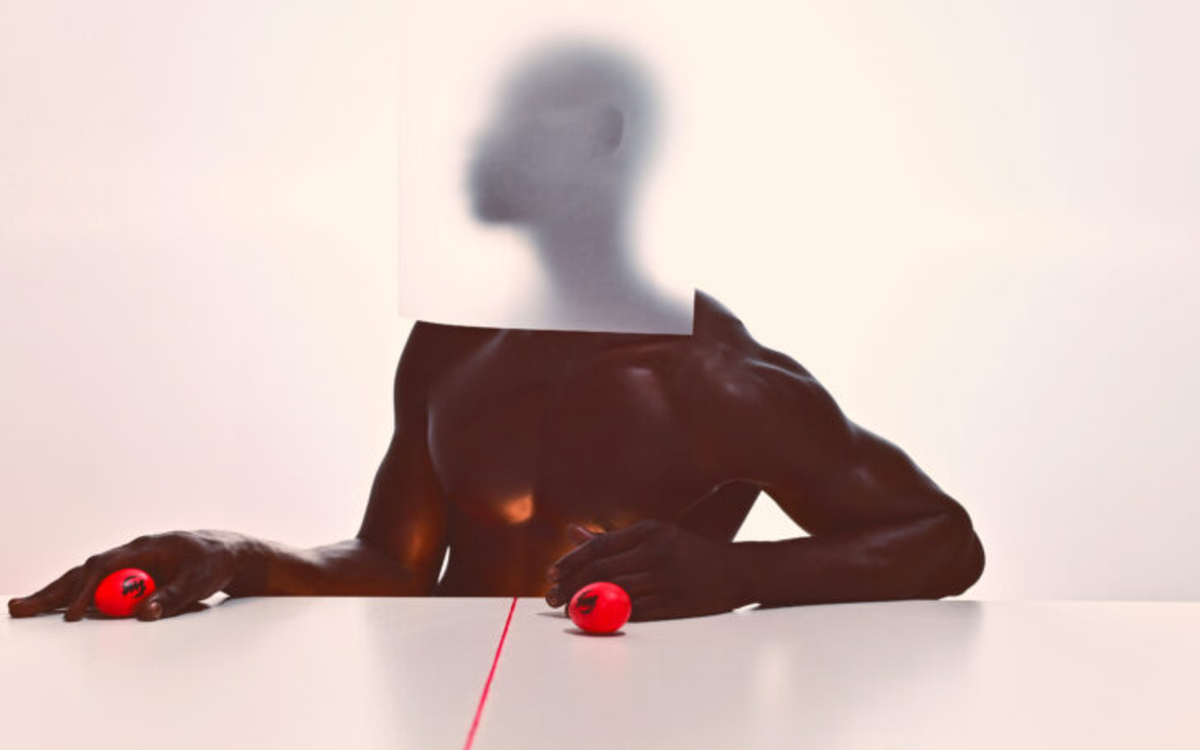
The Fondation Henri Cartier-Bresson in Paris is presenting an exhibition devoted to Japanese photographer Daidō Moriyama, a towering figure in postwar Japanese photography since the 1960s. Born in Osaka in 1938, Moriyama built his reputation on a grainy, blurred, high-contrast style often described as 'are-bure-boke' (rough-blurred-out-of-focus), a signature approach that profoundly influenced street photography worldwide.
The show brings together around sixty prints that examine what the foundation frames as an obsession riddled with ambiguity. The exhibition traces how Moriyama oscillates between fascination and detachment toward his subjects, whether capturing Tokyo streets, anonymous bodies, or fleeting urban fragments seized in the moment.
Moriyama belongs to a generation of postwar Japanese photographers who broke away from classical aesthetic conventions to forge a radical, raw, documentary-style visual language. His work has often been linked to Provoke, the short-lived but hugely influential magazine and collective active around 1968-1969, which redefined the codes of contemporary Japanese photography.
The Paris exhibition continues decades of international recognition for Moriyama, whose prints regularly feature in major museum collections and retrospectives around the globe. The Fondation Cartier-Bresson, itself dedicated to preserving and championing the photographic gaze, offers fresh insight into a body of work whose influence continues to resonate among contemporary photographers.
Written by the ADM desk based on Beaux Arts Magazine. Read the original article for the full story.
Source — Beaux Arts Magazine ↗