August 4, 2026 · fr
Petit Palais to Stage Major Show on Brussels 1900
In autumn 2026, the City of Paris fine arts museum will bring together more than 250 works to chart the artistic ferment of the Belgian capital during the Belle Époque.
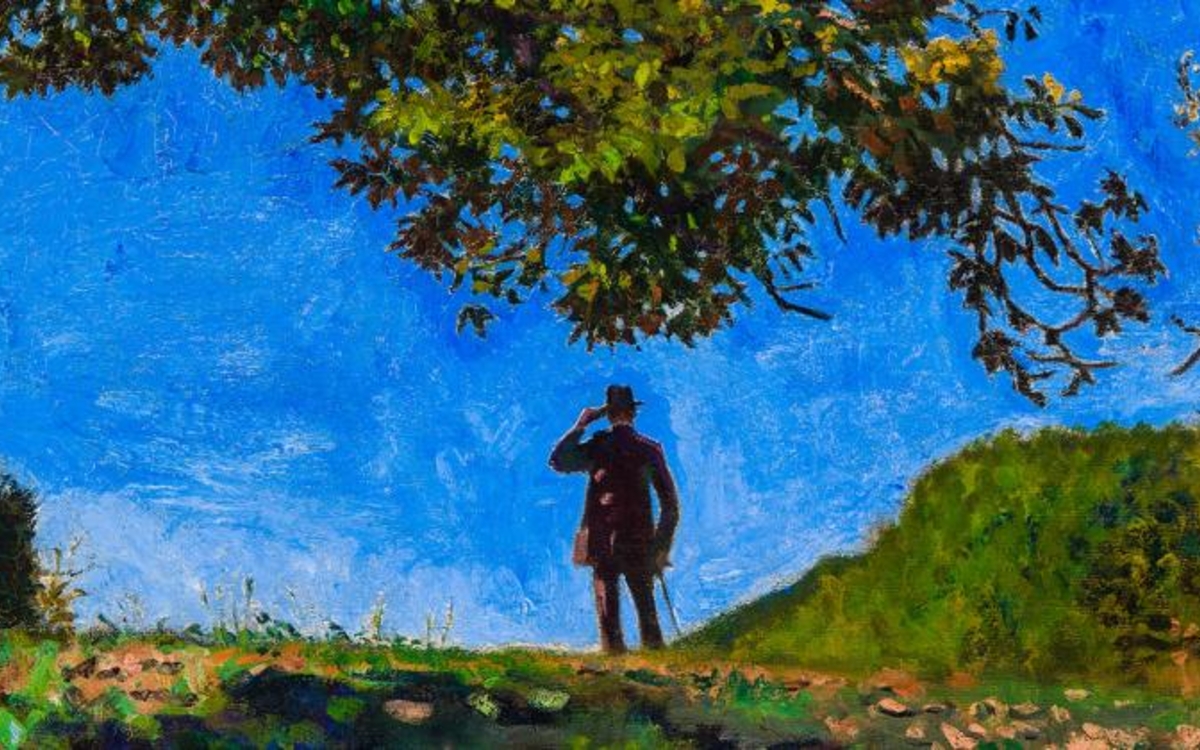
The Petit Palais, the City of Paris's fine arts museum, has announced a large-scale exhibition for autumn 2026 devoted to artistic life in Brussels at the turn of the twentieth century. Housed since 1900 in a building erected for that year's Universal Exhibition, the museum continues its run of ambitious surveys dedicated to the European art centres of the Belle Époque.
The show will assemble more than 250 works in a deliberately cross-disciplinary display: paintings and sculptures will be shown alongside jewellery, posters and photographs. That range reflects the museum's stated ambition — to convey not a single school but an entire creative climate, in which the decorative and graphic arts carried as much weight as easel painting.
The exhibition will spotlight the artists and movements that made Brussels one of Europe's leading centres of creation around 1900. The city was then a genuine laboratory: it saw the birth of Art Nouveau and hosted avant-garde circles and exhibiting societies which, from the 1880s onwards, invited to Brussels the most contested figures of French and international modernity, from Symbolism to Neo-Impressionism.
The permeability between Paris and Brussels is one of the subject's underlying threads. The two capitals traded artists, dealers, journals and commissions, and the Belgian scene often provided an early platform for painters still coolly received in France. A Parisian exhibition about Brussels therefore also throws light, in reverse, on how artistic ideas travelled across the border.
Exact dates, lenders and the detailed structure of the exhibition have yet to be disclosed. The project forms part of the Petit Palais's 2026-2027 season, marked by an interest in periods when visual art, fashion, adornment and print culture belonged to a single cultural fabric.
Written by the ADM desk based on Connaissance des Arts. Read the original article for the full story.
Source — Connaissance des Arts ↗