Adya & Otto van Rees. Au cœur des avant-gardes
Musée de Montmartre
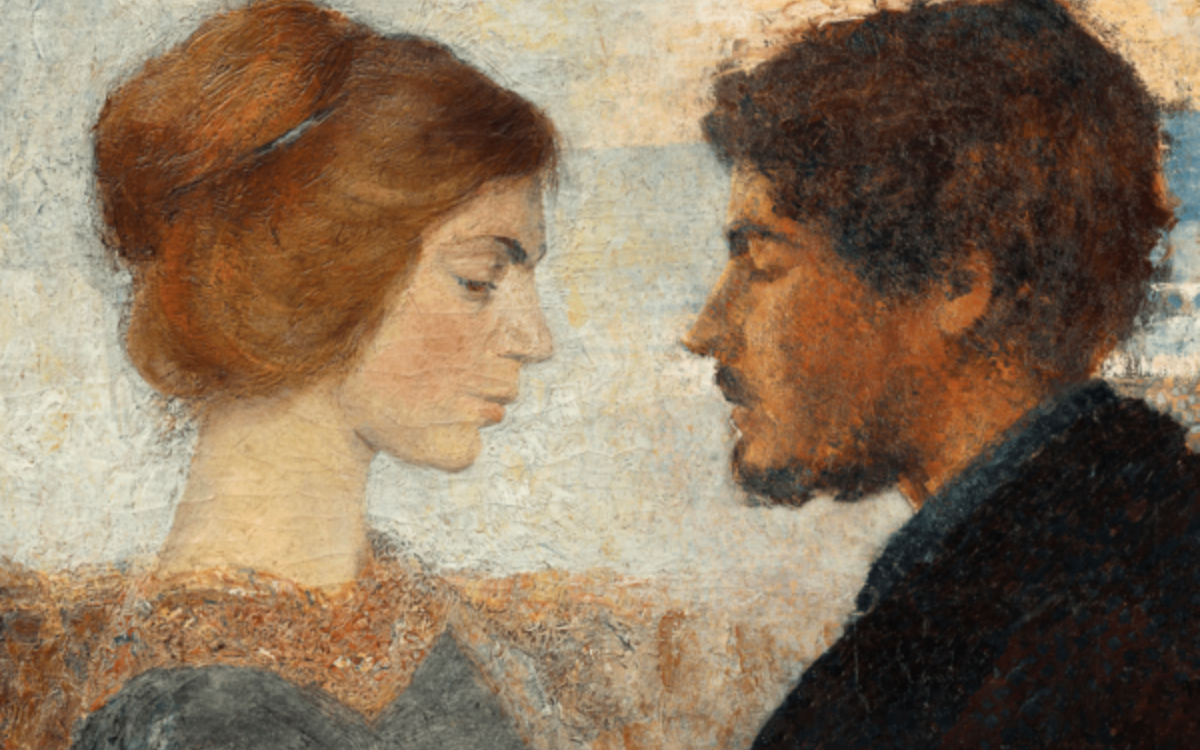
The musée de Montmartre is honoured to present, for the first time in France, a retrospective exhibition devoted to Otto and Adya van Rees, major yet still little-known figures of the twentieth-century European avant-garde. Through a chronological journey, the exhibition highlights the richness, modernity and evolution of their work while examining the cross-influences and fruitful artistic dialogue that nourished their research. It is also an opportunity to follow the life journey of Otto and Adya: that of a man and a woman who loved each other, that of two artists devoted to art, whose intimate everyday life intertwined with, nourished and inhabited their creative work, such as the birth of their three children or the family tragedy that tested them. Originally from the Pays-Bas, where they met, Otto van Rees (1884-1957) and Adya van Rees-Dutilh (1876-1959) settled in Montmartre, at the Bateau-Lavoir, from 1904. There they mixed with Georges Braque, Kees van Dongen, Piet Mondrian and Pablo Picasso, in contact with whom the foundations of modernity were forged. Their trajectory bears witness to an open and resolutely international artistic quest – as shown by their presence and joint contribution to the birth of the Dada movement in Zurich, to the founding of the Cercle et Carré group in Paris, as well as their many travels across Europe. Their approach reveals a great formal freedom, rooted at the heart of the European avant-gardes. Through some hundred works from French, Swiss and Dutch public and private collections – paintings, graphic arts, embroideries, sculptures, decorative arts projects and more intimate family creations – the exhibition follows the couple's life journey and traces the evolution of their respective artistic paths, from Divisionism to Cubism, via Cloisonnism, up to the most accomplished forms of abstraction. Offering a major discovery of their work, too long left in the shadows, this exhibition aims to rehabilitate the bold and experimental contribution of Otto and Adya van Rees, and highlights the place each of them occupies in the history of modern art.
Source: Paris Open Data ↗