Auguste Bartholdi. La Liberté éclairant le monde
Musée d'Orsay
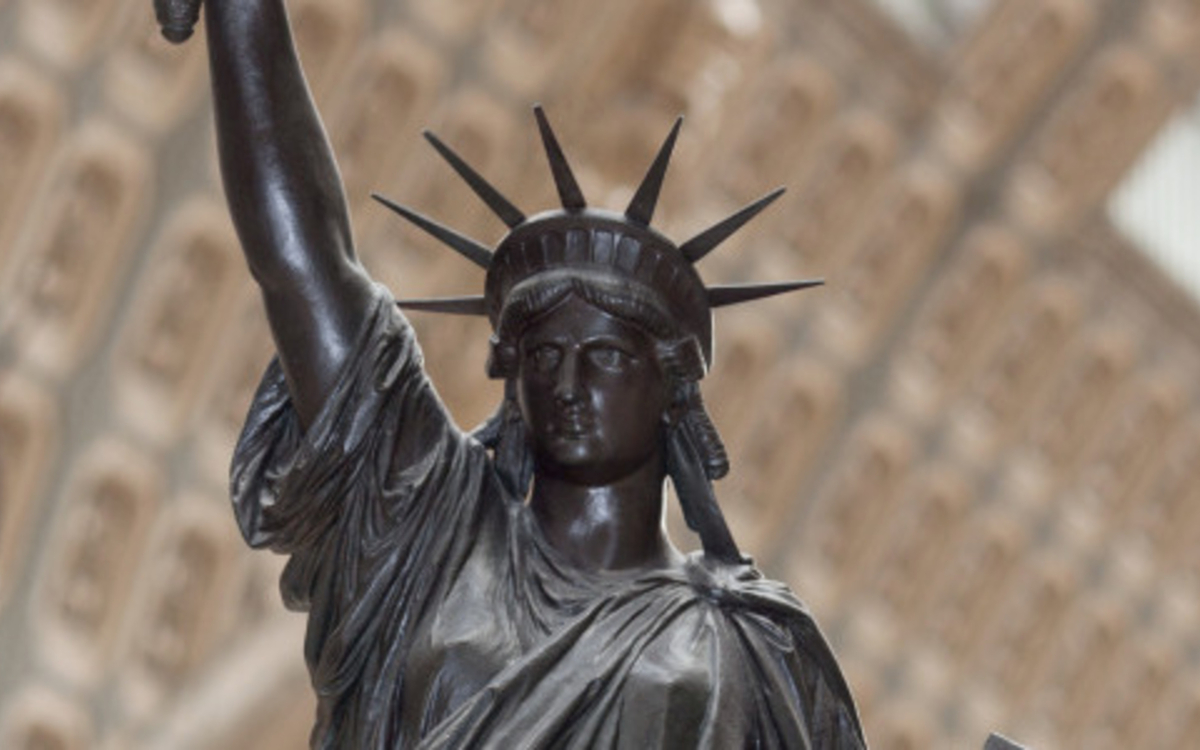
From September 15, 2026 to January 31, 2027, the musée d'Orsay devotes an exhibition as well as an immersive virtual reality experience to Auguste Bartholdi, a major figure of nineteenth-century French sculpture and author of emblematic works, as well as to his masterpiece « La Liberté éclairant le monde ». Conceived as a gift from France to the United States and initially intended to commemorate the centenary of American independence in 1876, the statue was finally inaugurated ten years later, in 1886. In the meantime, Bartholdi and his supporters had to show imagination, boldness and tenacity to design, promote and build what was then the largest statue in the world (46 m high, 93 m with its pedestal). Organized in partnership with the musée Bartholdi of the ville de Colmar, the exhibition traces the career of Auguste Bartholdi, an Alsatian sculptor with a visionary temperament, whose monumental ambition asserted itself from his earliest projects and drew deeply on the political upheavals of his time. It explores the birth of the Statue de la Liberté, derived from a project originally intended for the Suez Canal, then transformed into an allegorical figure celebrating American independence. The idea, carried forward by the Union franco-américaine, took shape through Bartholdi's journeys to the United States and the exceptional mobilization to gather the necessary funds. The image of the statue spread widely even before its completion, thanks to numerous articles published in the illustrated press and to the presentation of full-scale elements during the expositions universelles of 1876 and 1878. The stages of construction illustrate the union of art and engineering, from the technical choices devised by Viollet-le-Duc and then realized by Gustave Eiffel, to the hammering of the copper in the Parisian workshops and the complete assembly of the statue. The exhibition concludes with the transport to New York, the completion of the pedestal and the inauguration on October 28, 1886, which immediately established La Liberté éclairant le monde as a major and universal symbol. Emblematic of the ideals of its time, the Statue de la Liberté bears witness to an unwavering faith in progress, both human and technical, and in universal values to which art can give an intelligible form. The exhibition sets itself the goal of helping visitors understand the artistic, ideological, economic and technological choices that made possible the realization of this extraordinary project.
Source: Paris Open Data ↗