Daniel Dezeuze
Musée d'Art Moderne de Paris
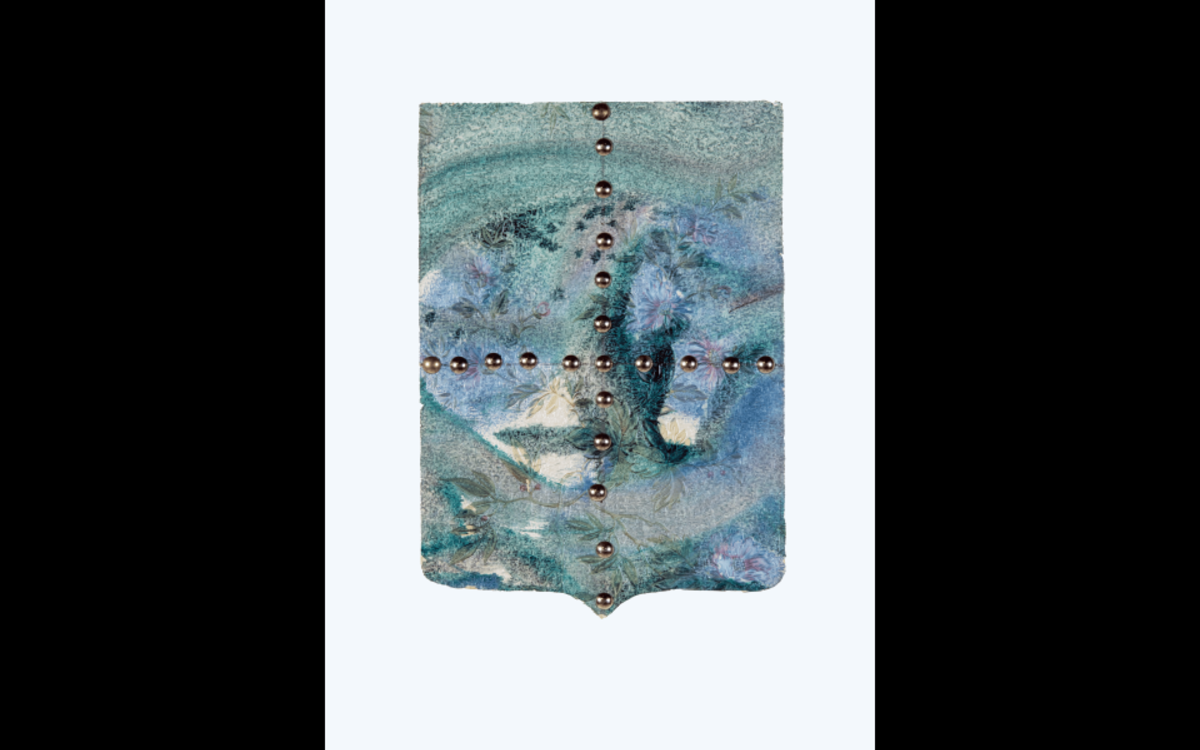
Through its history, the Musée d'Art Moderne de Paris maintains a special connection with the Supports/Surfaces group, which it presented for the first time under this name at the ARC in 1970. Among its founders, Daniel Dezeuze (born in 1942) occupies a decisive place. Son of the painter Georges Dezeuze (1905-2004), he freely attended courses at the Beaux-Arts de Montpellier, where he met Arnal, Bioulès, Grand, Rouan and Viallat. His stay in Mexico in 1964-65 profoundly marked his painting, nourished by pre-Hispanic cultures. In North America he then discovered the New York school, from Pollock to Rothko. Settled in Paris in 1967, he developed with Saytour and Viallat the foundations of Supports/Surfaces, leading a radical reflection on the future of painting. This questioning of the traditional structure of the painting led him to concentrate his work on the support itself. He then undertook a veritable "deconstruction" of the canvas conceived as an object, affirming the materialism of works and the primacy of the creative process. Dezeuze left the group in 1972 and pursued a personal research centered on the construction of the painting, the fragility of materials, the economy of means and continuous experimentation. Twenty recent works are now joining the collections of the Musée d'Art Moderne, an exceptional acquisition that makes it possible to retrace his journey since 1982. They testify to his taste for reuse (doors, panels, skis), assemblage, color generating forms and the importance of emptiness. References to art history (Mondrian), to the Middle Ages, to Mesoamerican cultures or to calligraphy run through and nourish the whole of his work over the last forty years.
Source: Paris Open Data ↗