Gagnez des entrées pour l’expo « Hugo et l'architecture. De la pierre à la plume »
Maison de Victor Hugo
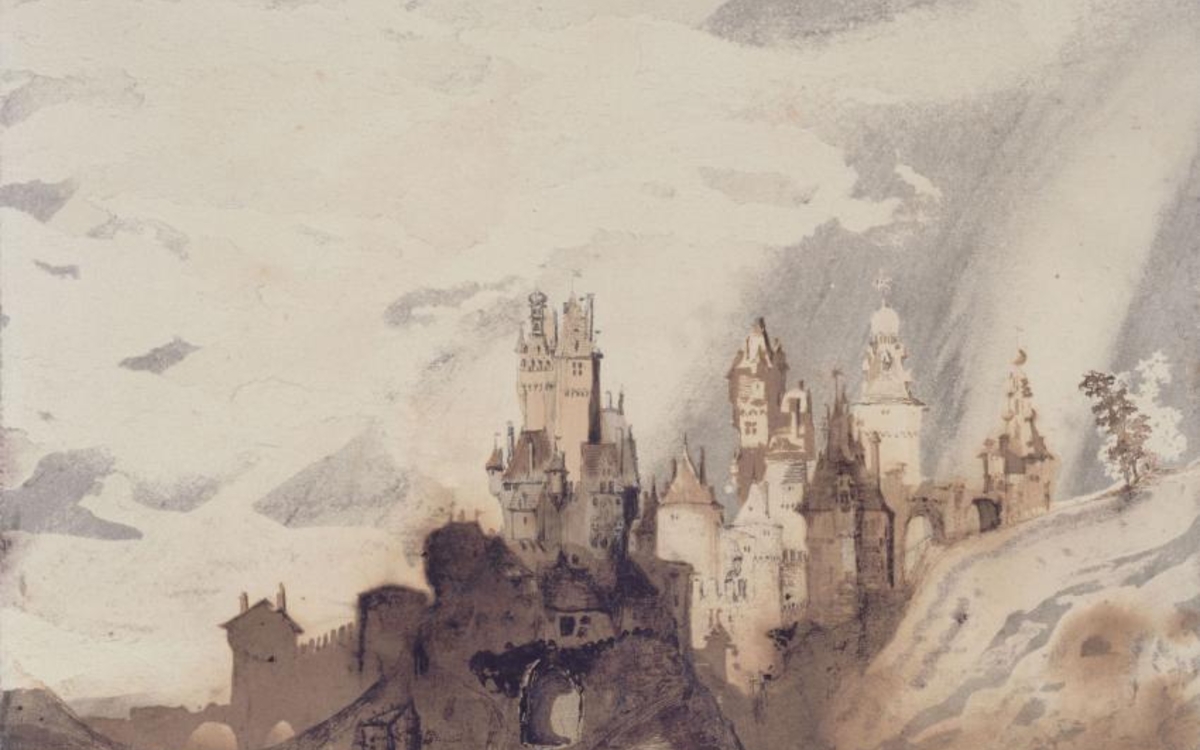
Following on from Hugo décorateur currently on view at the Maison de Victor Hugo, this exhibition explores the links between Victor Hugo and architecture, highlighting the way it unfolds throughout his literary and graphic work. A Romantic writer, an accomplished playwright, an engaged poet, a visionary artist and decorator, Victor Hugo maintained a privileged and essential relationship with architecture, which always deeply inspired him. Churches, cathedrals and castles filled the pages of his notebooks and gave meaning to his narratives. As in the first half of the 19th century, when literature and architecture were closely associated and the question of heritage became central, the poet positioned himself as a fervent defender of heritage following his famous plea "Guerre aux démolisseurs" in 1825. His most celebrated work on this subject remains, of course, the novel Notre-Dame de Paris, a true aesthetic manifesto published in 1831, in which he develops his particular conception of architecture, where the cathedral, a grandiose monument, refers as much to history as to writing. In the famous chapter "Ceci tuera cela," the writer draws an analogy between stones and words. Both being building materials, literature is an architecture of words just as architecture is a writing of history. This presence of architecture is also found in his other novels, with an important place given to buildings that frame and punctuate the narrative. This interest in the architectural motif also runs through his entire graphic work. Castles and keeps, ruins and roadways, churches and cathedrals, fortresses and staircases... very early on formed the main iconography of his sketchbooks and drawings. Victor Hugo's sense of observation and imagination unfold through monuments both real and dreamed, famous and intimate, precise and visionary, immense and minuscule, grandiose or modest. This approach also concerns a personal architecture at Hauteville House, his home during his exile in Guernesey, where he experimented with a three-dimensional architectural vision.
Source: Paris Open Data ↗