Les secrets de l'Alhambra nasride
L'Institut du Monde Arabe
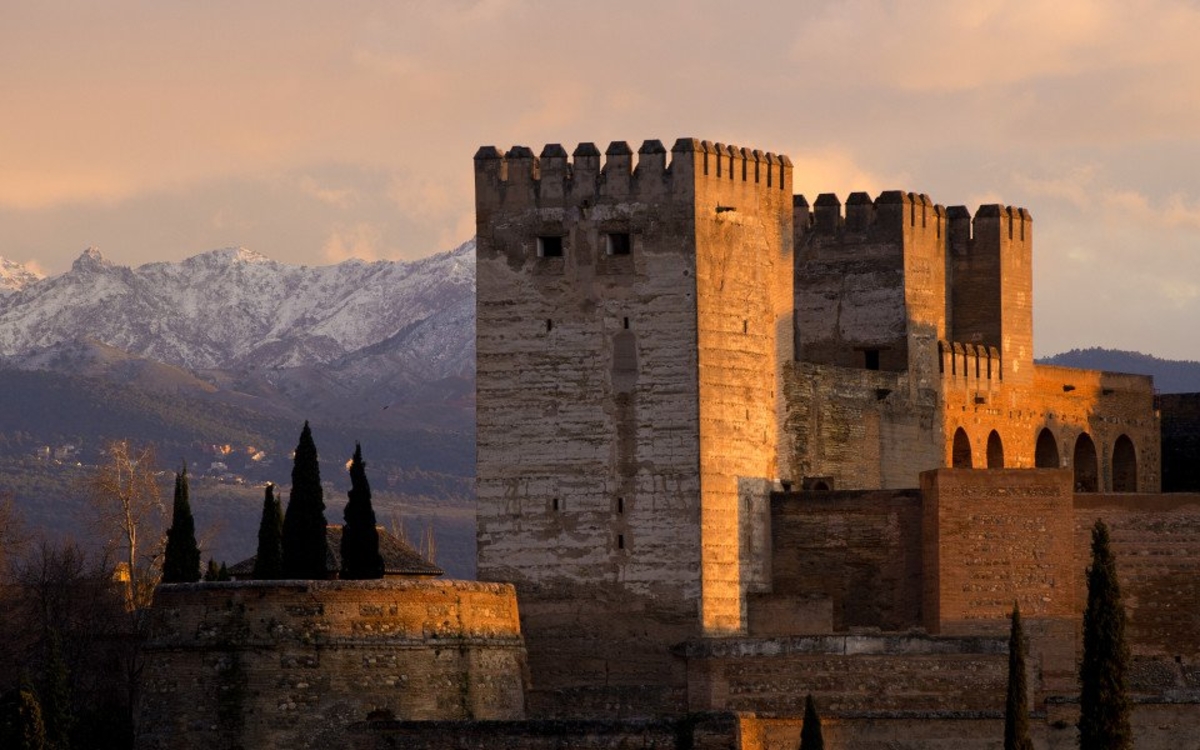
A jewel of Islamic art, the only Muslim palatial complex preserved in the West, l'Alhambra is one of the most visited monuments in the world. It is the Alhambra as built by the Nasrid sultans – quite different from the present-day fortress – that the exhibition brings to light, unveiling and deciphering some of its secrets at the height of its splendor, under the reign of sultan Muhammad V, in the 14th century, through a fascinating immersive walk punctuated by marvelous works of art. Evoking the genius of the fontaine des lions, the poetry of water, the geometric complexities of the decoration, the refinement of the epigraphy that gives voice to the palace, the splendor of the sultanate's festivities, the sensuality of the gardens, the cultural exchanges despite constant military tensions… this exhibition tells the story of the Nasrid Alhambra, sheds light on its splendor and reveals some of its mysteries. A walking tour through the upcoming exhibition The beauty of the Alhambra could make one forget that it is first and foremost a fortress, encircled by walls and towers and home to a garrison, and that the Nasrid emirate is in fact a state on reprieve, threatened and relentlessly eroded by neighboring states. Alongside a selection of weapons and pieces of armor and harness, the immersive experience will allow visitors to discover a hidden and little-known masterpiece of Arab painting, showing the return of a victorious military expedition. The fontaine des lions, which gave its current name to the palace that houses it, the most iconic piece of the Alhambra and a masterpiece of Nasrid art, was reworked over the centuries following the Christian conquest. What did it look like at the time of the reign of Muhammad V, who had it installed? Around a copy of the fountain, visitors will discover various scientific hypotheses about the meaning, form, and functioning of the fountain. A major piece of the exhibition, it will also be an opportunity to address the importance of water for the entire palatial complex, both aesthetically and for its essential character to the very life of the site.
Source: Paris Open Data ↗