Cézanne et nous
Grand Palais
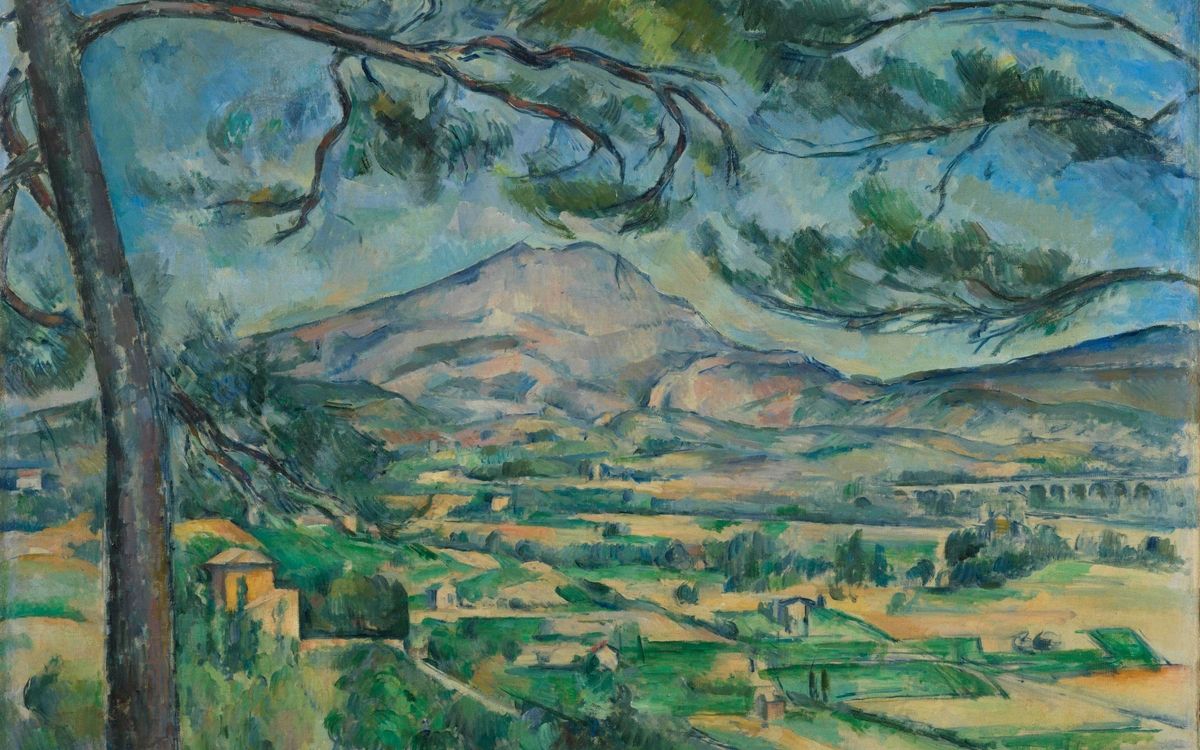
An unprecedented exhibition devoted to Paul Cezanne (1839-1906) and his artistic legacy. From Paul Gauguin to Henri Matisse, Pablo Picasso, Piet Mondrian, Joan Mitchell, Bridget Riley and Peter Doig, nearly 180 works retrace the way his work was discovered, interpreted and transformed, from the end of the 19th century to today. In the late 1880s, when he no longer sought to exhibit, artists and collectors discovered Cezanne's work in the shop of père Tanguy. There they found a formal radicalism that reinforced them in their quest for a "pure" art, already engaged on the path toward abstraction. Subsequently, Cezanne gradually gained recognition and the reception of his work became abundant. From the first monographic exhibitions organized by the art dealer Ambroise Vollard to the great museum and international events, as well as the first major posthumous exhibitions such as the Salon d'automne in 1907, he established himself as a major figure of modernity. His work became a point of reference for the avant-gardes of the 20th century, who questioned the relationship between painting and reality and found in the idea that "art is a harmony parallel to nature" an essential tool for reflection. Starting with Cezanne, the triumph of modern art and that of formalism, or the reduction of painting to its fundamental elements of composition, have continued to be worked through or surpassed. Paul Gauguin, Henri Matisse, Pablo Picasso, Piet Mondrian, Joan Mitchell, Bridget Riley, Peter Doig… From lyrical abstraction to geometric abstraction, by way of "hard edge" painting, Cezanne remains a constant reference, sometimes claimed, sometimes reinterpreted, always discussed. In the era of post-modernism, his status as "father of modern art" continues to be questioned. Cezanne et nous is the first exhibition to tell this dual history simultaneously: that of his fundamental influence and that, against the current, of the artists who claimed him as their own. The exhibition highlights a complex and plural history, made up of appropriations, filiations and aesthetic tensions. It invites us to look at Cezanne through the successive gazes he has inspired, up to our own contemporary gaze. Exhibition co-produced by the GrandPalaisRmn, the Centre Pompidou and the public establishment of the musée d'Orsay and the musée de l'Orangerie - Valéry Giscard d'Estaing
Source: Paris Open Data ↗