Underground ! La presse alternative des années 1970 en France
Bibliothèque François-Mitterrand – Allée Julien Cain
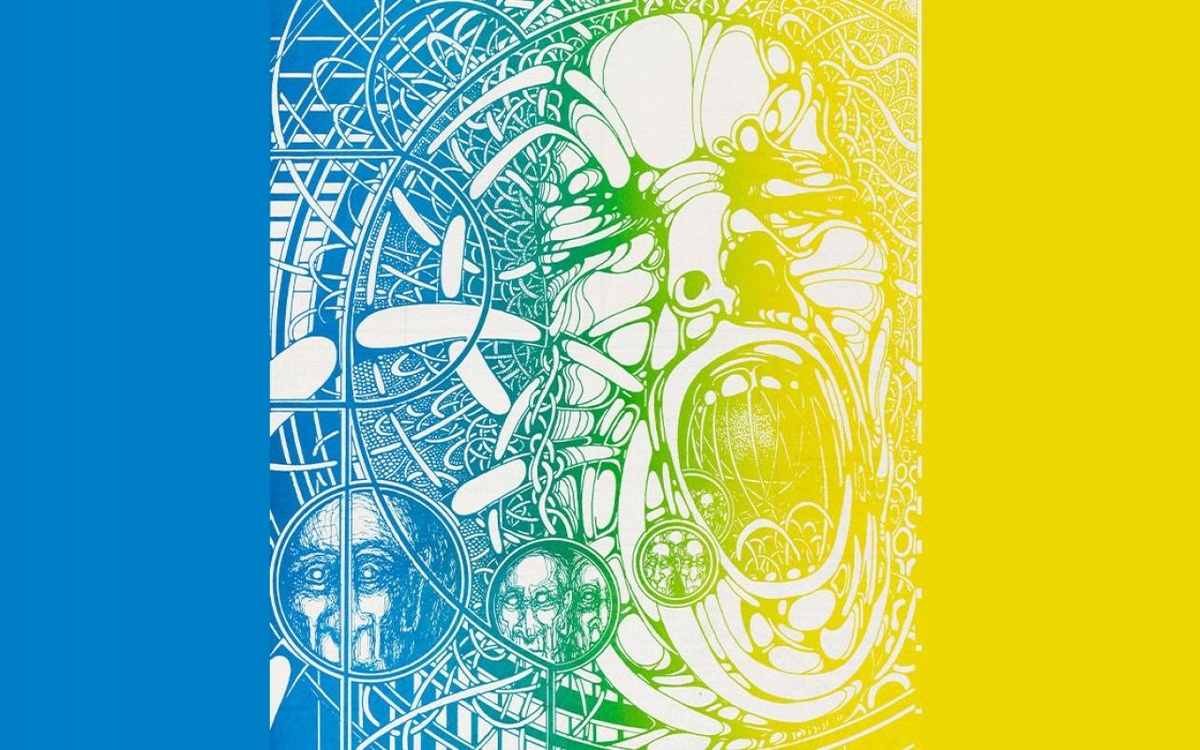
Creative, improvised, contestatory: at the turn of the 1960s and 1970s, an alternative press emerged in France, on the margins of so-called "bourgeois" news media. Born in the wake of Mai 68 and nourished by Anglo-Saxon influences – from the Californian Free Press to the British underground – this "new press" accompanied an entire generation in its political, cultural and social awakening. It is this effervescence that this wall exhibition, conceived from the heritage collections, sets out to reveal. The exhibition The alternative press echoed the aspirations of a youth breaking with dominant models: political and libertarian struggles, regionalist demands, antimilitarism, anti-nuclear commitment, sexual liberation, the quest for new forms of communal life inspired by the hippie movement... Refusing the codes of mainstream news media, it claimed autonomy, direct speech, experimentation and the right to utopia. A graphic and formal proliferation Militant, this press was also profoundly inventive on a formal level. Refusing the rules of traditional journalism, it subverted genres, multiplying collages, comic strips, handwritten typography and fragmented layouts. Many artists and illustrators made their first mark there, while Do It Yourself techniques (offset, mimeograph, linocut) became gestures both political and creative. Poetry fanzines, comic zines, wall newspapers, leaflets and ephemeral sheets bear witness to a graphic proliferation at the crossroads of the arts, poetry, happenings, science fiction and rock culture. The golden age of the 1970s The exhibition highlights the 1970s, a moment of apogee but also of fragility for the alternative press. While it experienced exceptional vitality during this period, it also faced a number of obstacles: economic precarity, uncertain periodicity, censorship, seizures and legal prosecutions. By the end of the decade, the decline was clear. The aging of the readership, the arrival of the left in power in 1981, competition from free radio stations, and the aesthetic shift of the hippie generation toward punk energy marked the end of this "golden age." From the margins to heritage To bring it back into the light, an extraordinary heritage collection of nearly 400 titles was identified within the collections of the BnF, first through a research project led by James Horton, doctor of art history and former associate researcher at the Droit, économie, politique department, then through the patient work of the exhibition's curators. Long unsuspected, this documentary trove was built up through multiple sources: legal deposit by printers, use of the Nouvelles Messageries de la presse parisienne (NMPP) for certain nationally distributed titles, voluntary submissions from publishers, donations, acquisitions, but also the vigilance of librarians who, from Mai 68 onward, recognized the historical importance of this marginal press, often self-produced and self-distributed. By highlighting these collections today, the exhibition contributes to the "heritagization" of an object originally resistant to any form of institutionalization. Above all, it aims to open new avenues of research and to invite the rediscovery of a largely unknown chapter in the history of the French press. For these newspapers, often ephemeral and doomed to economic failure, durably transformed the forms of political and social expression in France, while constituting an artistic and graphic laboratory of incredible inventiveness.
Source: Paris Open Data ↗