Visionnaires. Carte blanche à Prune Nourry
Petit Palais - Musée des beaux-arts de la Ville de Paris
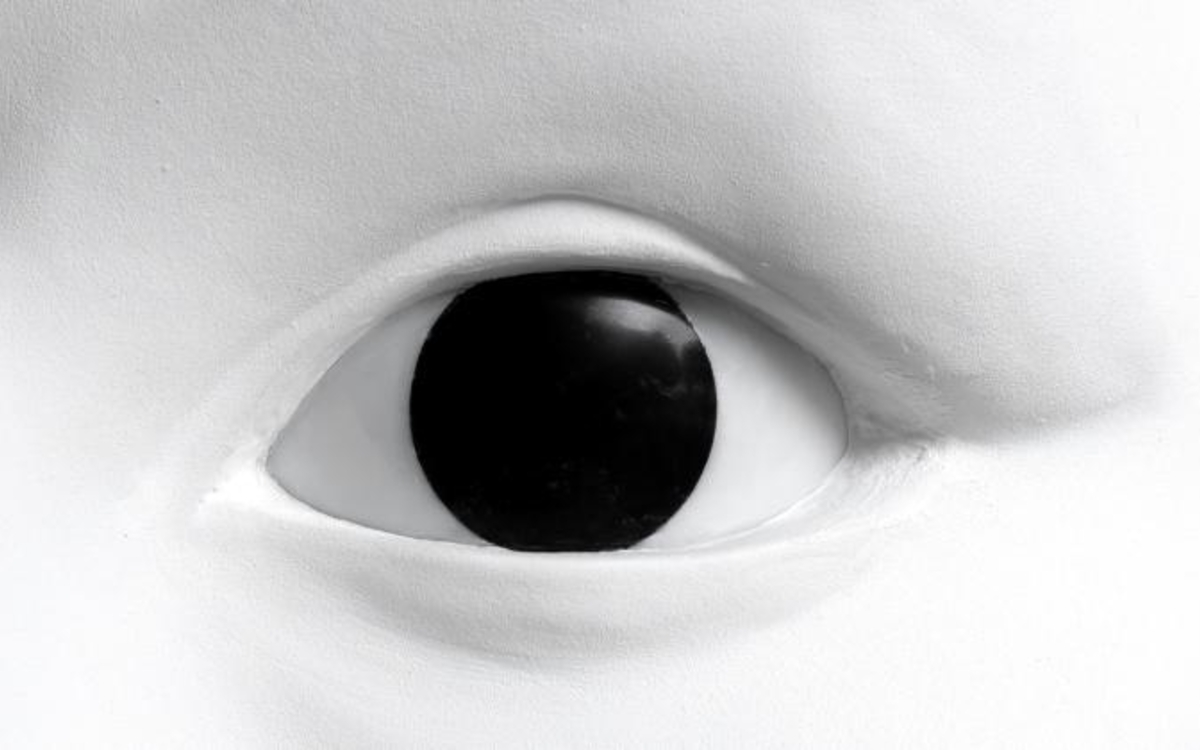
The Petit Palais invites Prune Nourry to take over the entire museum to shine a light, in her exhibition "Visionnaires", on women sculptors overlooked or forgotten by art history. At the artist's request, three art historians conducted research for a year in order to gather the writings and photographic portraits of eighteen sculptresses from the late 19th and early 20th centuries. Among them are Käthe Kollwitz, Nancy Elizabeth Prophet, Hélène Bertaux, Jane Poupelet, Consuelo de Saint-Exupéry, Selma Hortense Burke, Daria Gamsaragan and Sarah Bernhardt. Inspired by the artistic quality of their works and the strength of their commitment, Prune Nourry has sculpted the portrait of these eighteen "visionary" women. In doing so, Prune Nourry makes visible the place of women as creators. The exhibition unfolds throughout the entire collections of the Petit Palais, from the museum's outdoor esplanade to the garden. On the forecourt, Mothership, a hybrid figure between a pregnant woman and the hull of a rusted metal boat, introduces the exhibition. From the sculpture gallery to the Pavillon nord, the eighteen new portraits created for the Petit Palais revive the memory of sculptresses of the past. Prune Nourry extends the trail by placing around twenty of her earlier works, from Holy Daughters to Vénus, in dialogue with the permanent collections. As in a treasure hunt, visitors set off to discover the white marble eyes with black pupils embedded both in Prune Nourry's plaster busts and in the pedestals of the Petit Palais's works, creating a visual dialogue between the two. These stone eyes, inspired by the polychrome statuary of the Petit Palais, invite a crossed gaze across the different eras present in the museum, from antiquity to the present day. The artist chooses plaster as her main material, echoing the museum's collection, of which nearly 70% of the sculptures are "studio plasters". These casts were not intended for museums, and yet they have endured through time, whereas the bronze versions were destroyed. Prune Nourry also plays with scale: her new busts range from 70 cm to 3.50 m in height, while her earlier works range from 20 cm to 27 m in length, making the exhibition a space where the female body unfolds in all its dimensions. In the art world, women were long confined to the roles of models or muses, reduced to bodies scrutinized by a male gaze. Their disappearance from institutional narratives, and from sculpture in particular, is not due to an absence of works but to a structural erasure. Hindered by social norms and limited access to training, they had to assert themselves in a field dominated by male figures. The Petit Palais collection bears its trace: omnipresent as subjects, model bodies, idealized, allegorized, women remain largely absent there as creators. Of all the works in the collection, barely 4% were made by women artists, with only 4 sculptresses represented. The exhibition is an opportunity to showcase their works alongside their portraits. The sculptresses of the late 19th and early 20th centuries thus constitute a pioneering generation. Visionaries, they paved the way. Yet, despite the rise of photography, their faces remain difficult to picture. Prune Nourry situates herself within this living genealogy. She extends the legacy of these sculptresses by giving them back visibility and affirms, through both her practice and her approach to transmission, her commitment to the recognition of women in the history of sculpture.
Source: Paris Open Data ↗